
Crossing the Line (and Maybe Losing Your Clothes)
Somewhere between myth and mischief, sailors have always found excuses to turn long voyages into something a little ceremonial — and a lot unforgettable. Long before hashtags or group chats, crossing the Equator came with its own rites of passage: saltwater baptisms, playful humiliation, Neptune-approved nonsense… and yes, on certain boats, a perfectly reasonable excuse to lose the clothes and leap into the sea. Call it tradition. Call it bonding. Call it sailors being sailors.
This blog post was originally inspired by an article on sailuniverse.com
When a ship crossed “the line” for the first time, maritime custom called for an initiation that was equal parts ridiculous and legendary. Sailors were expected to strip down to their birthday suits, leap into the water, swim beneath the keel, and climb the mast. It sounded like a typical Tuesday for some of us—but for sailors, it was a rite of passage as old as the sea itself.
Somewhere along the Equator, when the air hung heavy and the sea seemed to stretch on forever, sailors grew restless. That was when a call went out across the deck: it was time to “cross the line.” For centuries, this had been a defining moment for seafarers—an initiation marking their first passage across the Equator. What began as a rough, boisterous test of courage evolved into something equal parts ridiculous, symbolic, and downright exhilarating.
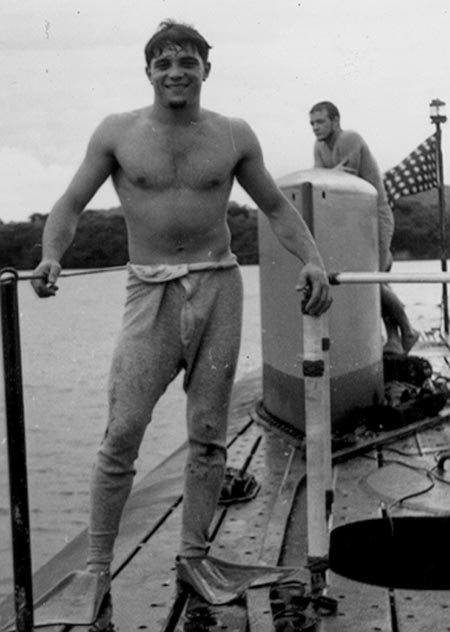
The tradition’s origins were a little hazy, much like sailors after too much rum. Historians believed it began with rituals performed when ships passed major headlands—ancient mariners giving thanks to the gods for safe passage. Over time, it morphed into the Equator-crossing ceremony we know today: a full-blown rite of passage designed to transform “Pollywogs” (those who had never crossed before) into “Shellbacks,” worthy citizens of King Neptune’s underwater realm.
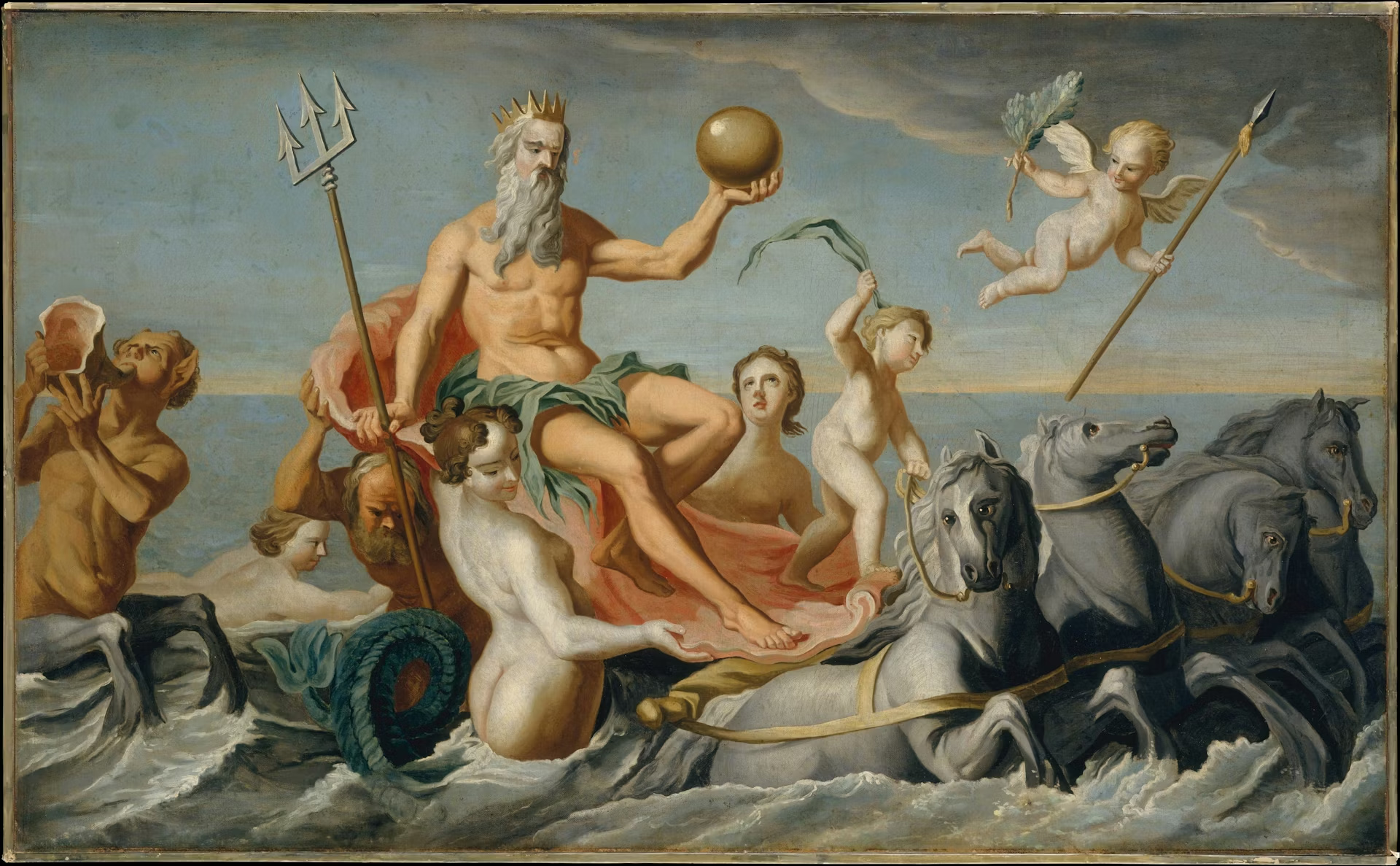
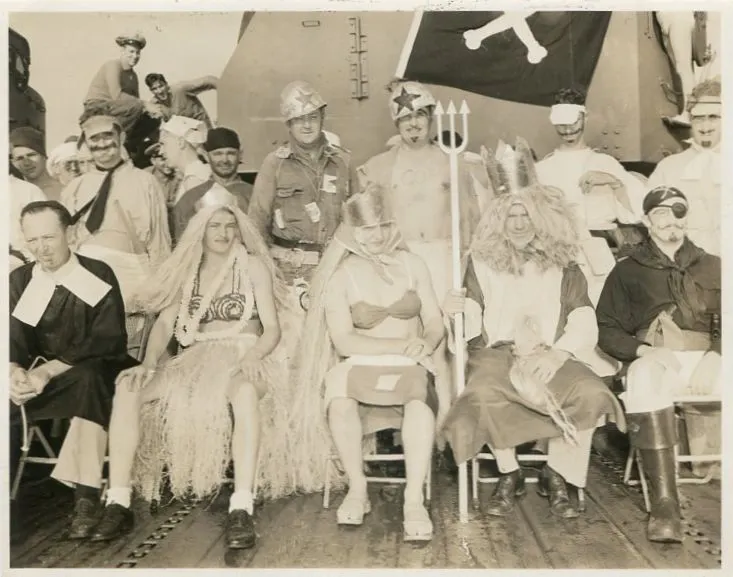
On the appointed day, the ship’s veterans transformed into Neptune’s royal court. The King himself, dripping with seaweed and theatrical authority, took the throne. His consort, Queen Amphitrite, presided beside him—often portrayed with creative flair by a burly sailor in a hastily assembled gown. The rest of the crew joined in as mermaids, pirates, and assorted ocean creatures. And then the festivities began.
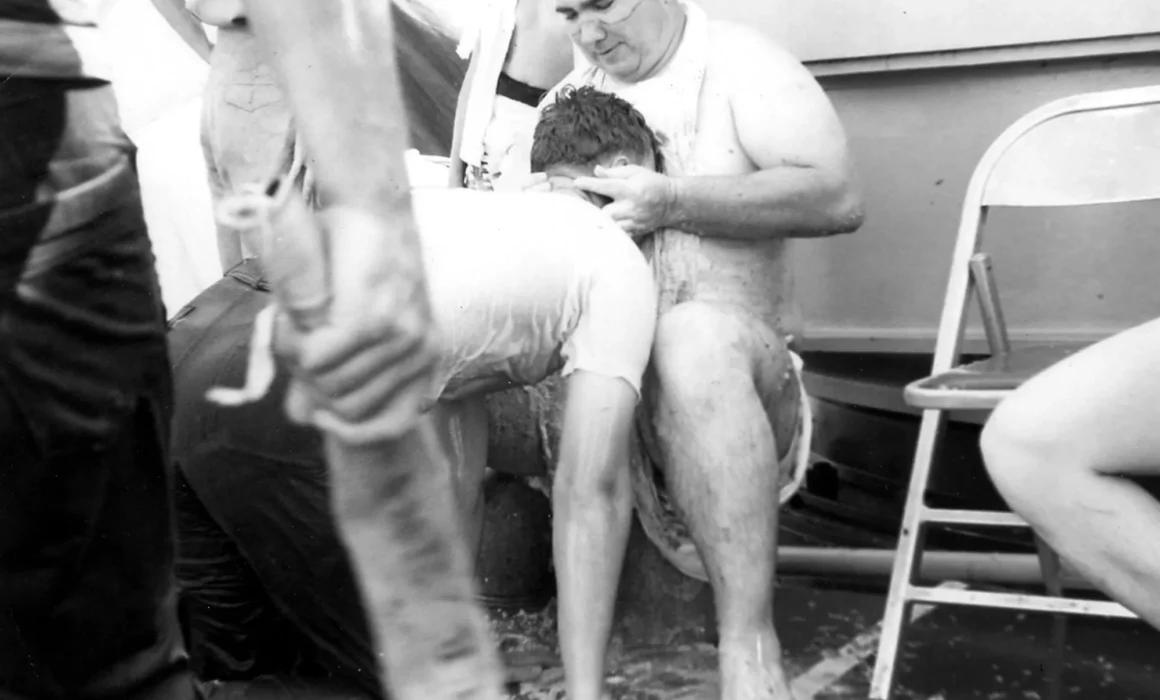
The Pollywogs were hauled before the court and accused of crimes like “landlubbery,” “forgetting their sea legs,” or “wearing too much clothing.” Punishments followed—crawling through slop, getting drenched by seawater hoses, kissing the royal belly, or being dunked headfirst in barrels. Laughter echoed across the waves. When the ceremony was complete, the Pollywogs emerged victorious—a little messier, a little saltier, and officially reborn as Shellbacks.
Of course, not all the old customs were so lighthearted. As Sail Universe pointed out, the ceremony sometimes crossed the line itself—becoming a pretext for hazing or humiliation. In centuries past, initiation could involve beatings or dangerous stunts, and a few unfortunate sailors paid with more than their dignity. That was why modern navies eventually enforced strict rules against physical harm, ensuring the spirit of fun survived without anyone needing a medic afterward.
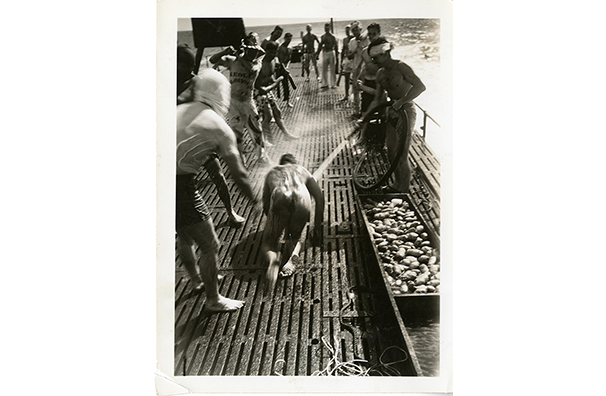
Still, even with its rough edges smoothed, the ritual remained powerful. There was something primal about celebrating a crossing—of the Equator, of thresholds, of limits. You left one world behind and emerged in another. The ocean became both stage and witness.
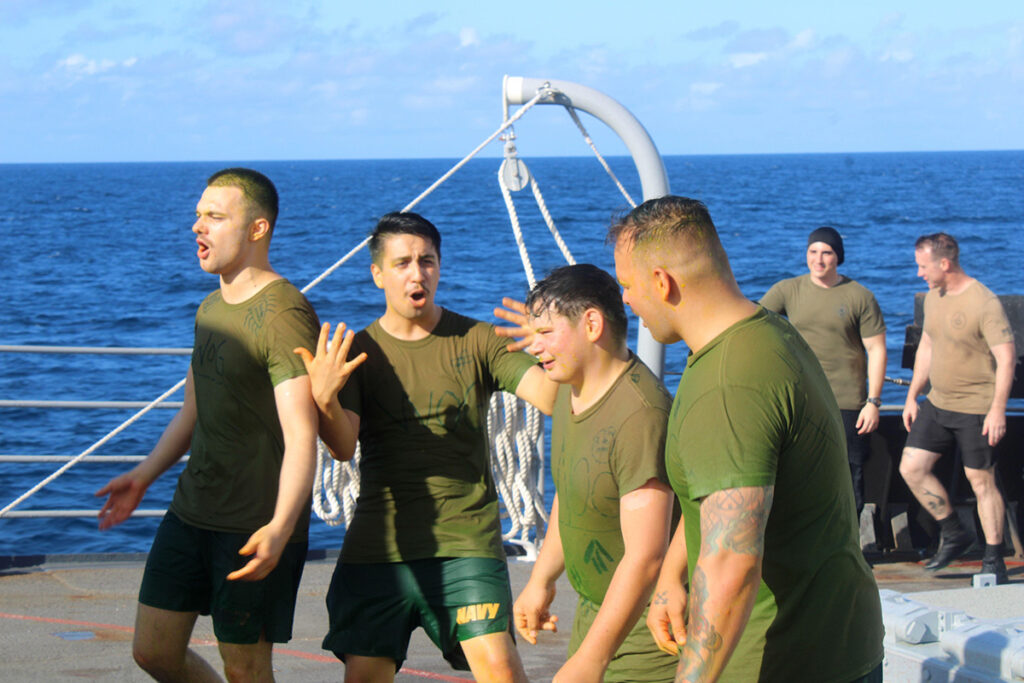
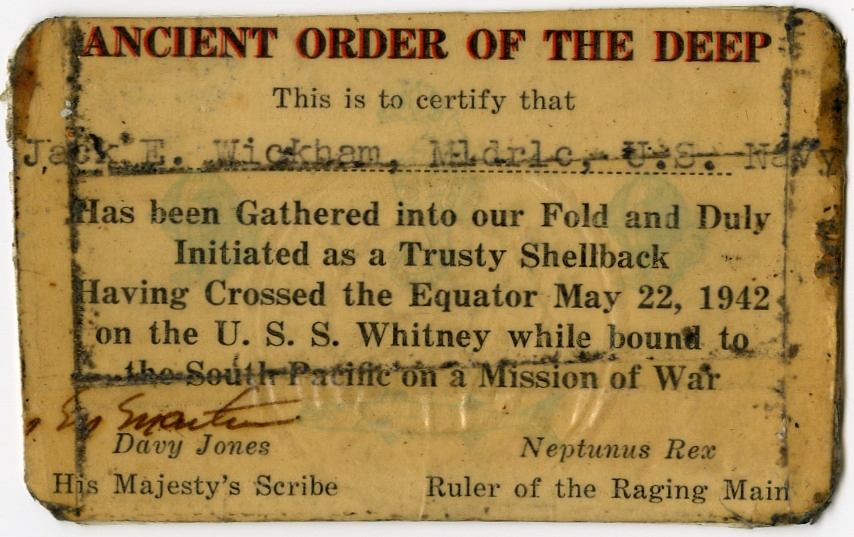
Some ships marked the moment with an official certificate, embossed and signed by King Neptune himself. Others kept it simple—a shared swim, a splash of rum, or a group yell that said we did it. And yes, the old tales of sailors stripping down to their birthday suits and plunging beneath the keel persisted. For some crews, that spontaneous naked swim was the ultimate baptism—the sea claiming you, body and soul.
These ceremonies endured because they spoke to something deep in a sailor’s bones. They mixed superstition with humor, reverence with absurdity, and they turned a simple geographic milestone into something mythic. Whether you were a navy recruit or a naked adventurer aboard a sailboat under the tropic sun, that moment—when you crossed the line—connected you to centuries of mariners who felt the same thrill of belonging to the sea.
Have you ever “crossed the line” yourself—or seen a version of this ceremony on board? We’d love to hear about your experience in the comments below. Tell us: what’s the wildest (or weirdest) sailor’s ritual you’ve ever witnessed or taken part in?
Dave here… Co-Founder of Everything To Sea. My dad was in the navy and I told him we are doing a blog post on this, and asked him what his experiences were (he crossed the equator about a dozen times during his service). He confirmed all of the activities above happened on his ships. He said it was especially fun for the guys when there was a virgin captain who was a Pollywog – the dynamic of the switch in roles! As for himself, he just said “I’ll do it” and jumped in the ocean by his own choice… “I could see it was the guys who seemed really nervous about it, who would end up going through the hazing… and I didn’t want to be one of those, so figured it’d be easier to just do it by my own choice”.
Over the years I’ve found it to be amazing to talk with my father about subjects like nudity, sex, and masculinity. I feel lucky to be able to do so…
The history of men travelling on ships for long periods of time has triggered stories from time immemorial. Long voyages have pulled men close together. Months at sea shrank personal space, and made companionship essential. In the quiet stretches between watches, friendships formed that were practical, emotional, and sometimes intimate. We try to ignore these connections, but they helped men get through isolation, danger, and the sheer monotony of ship life. Across oceans and generations, men found connection, comfort, and meaning in each other.
Today, as a paying traveller, an EverythingToSea experience isn’t so different. When the usual routines and daily reference points drop away, people naturally lean on each other more. While we often focus on organised activities like excursions or ATV rides, the real moments happen in the quieter, unstructured time. That’s where I found closeness, comfort, and a deeper sense of meaning with others.
Thank you Philip, beautifully said. You captured something we feel a lot: the real magic is often in the quieter, in-between moments when people naturally lean on each other and connection happens without forcing it. Thanks for sharing this.