The Naked Company That Can’t Show a Naked Man
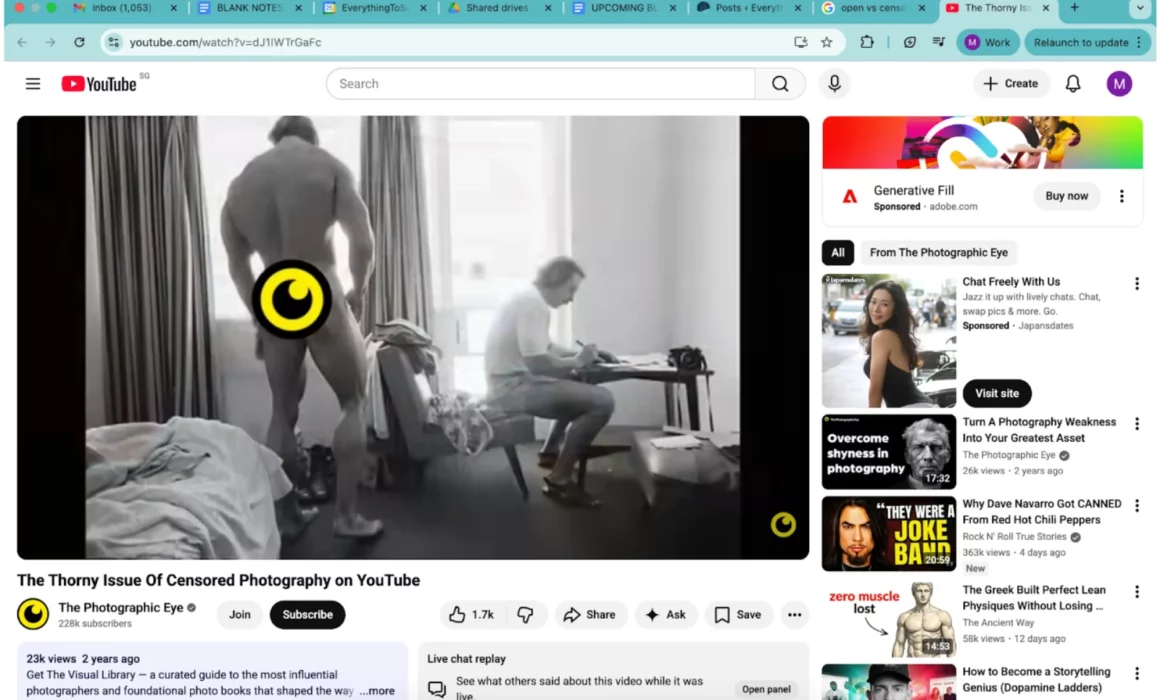
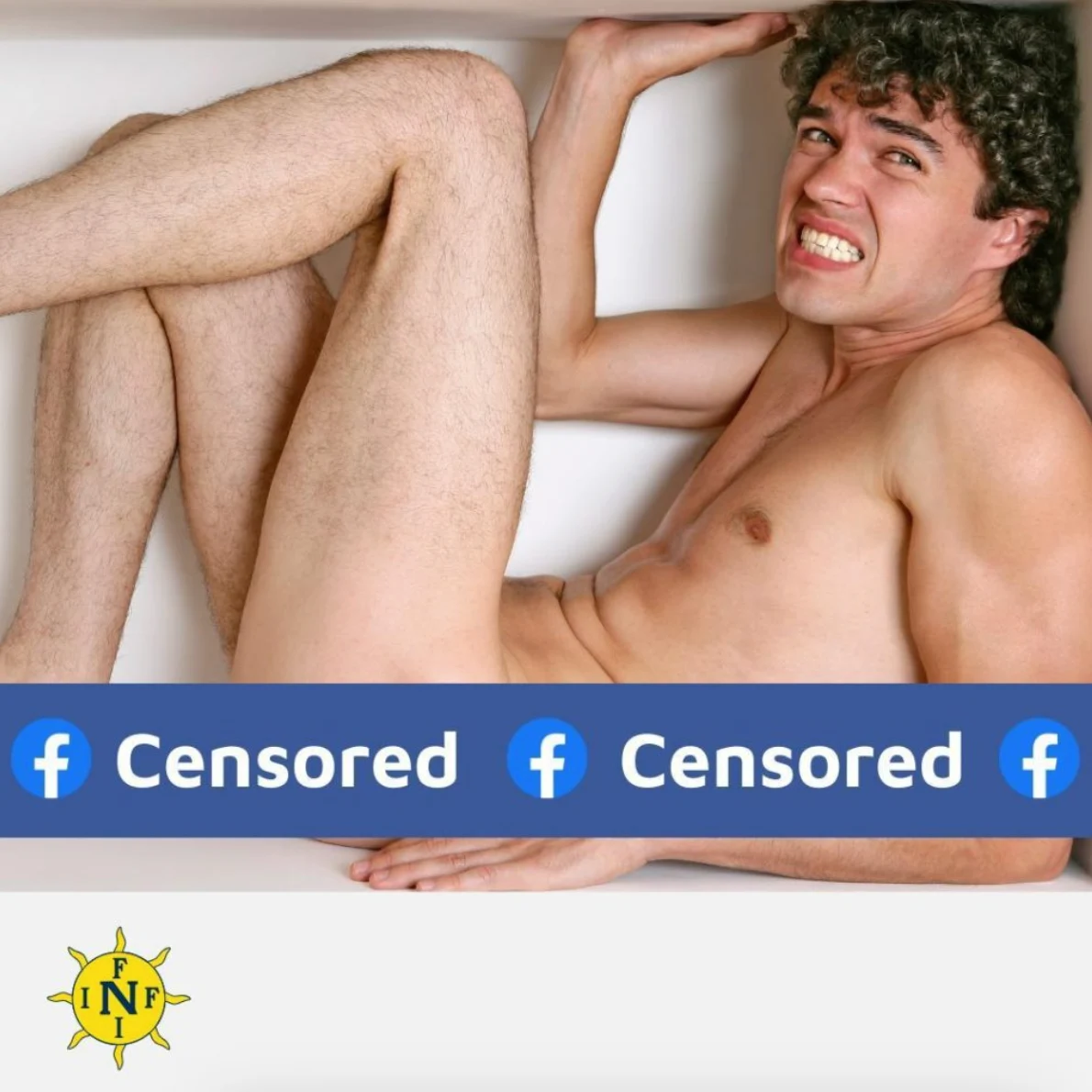
At Everything To Sea, we’re in the slightly absurd position of running a naked company… while being told, again and again by the internet platforms we rely on, to keep it covered. Our trips are built around freedom, comfort, and the simple joy of shedding clothes – but online, even a hint of skin can get you flagged faster than you can say “ass crack.” So we crop, blur, angle, and art-direct reality into something just safe enough to survive the algorithm. It’s a strange dance: selling a clothing-optional experience in a digital world where showing too much shoulder might get you shadowbanned. Which makes all this talk of “free speech” platforms even more ironic – because when it comes to the human body, suddenly everyone gets a little shy.
Who didn’t get shy? The Electronic Frontier Foundation. Check out this article from their website, where they call out “Free Speech” platforms for censoring nude content.
Here’s Why You Should Care: If their marketing is to be believed, self-avowed free speech maximalist sites like Parler—“where free speech thrives”—and Frank Speech—“the voice of free speech”—claim they will publish all user content. But the reality is a prohibition of many types of legal content, including legal sexual material. This restriction is all too familiar to queer communities, sex workers, and other marginalized groups—all of whom have experienced censorship for their perfectly legal content elsewhere.
Most sexually explicit and pornographic content is legal, and engaging with such content on social media platforms allows individuals to build communities and explore their identities. However, the moderation of sexual content has enabled social networks to become the arbiters of how people create and engage with nude content both offline and in the digital space. As a result of this flawed system, a crucial form of engagement for all kinds of users has been removed and the voices of people with less power have regularly been shut down.
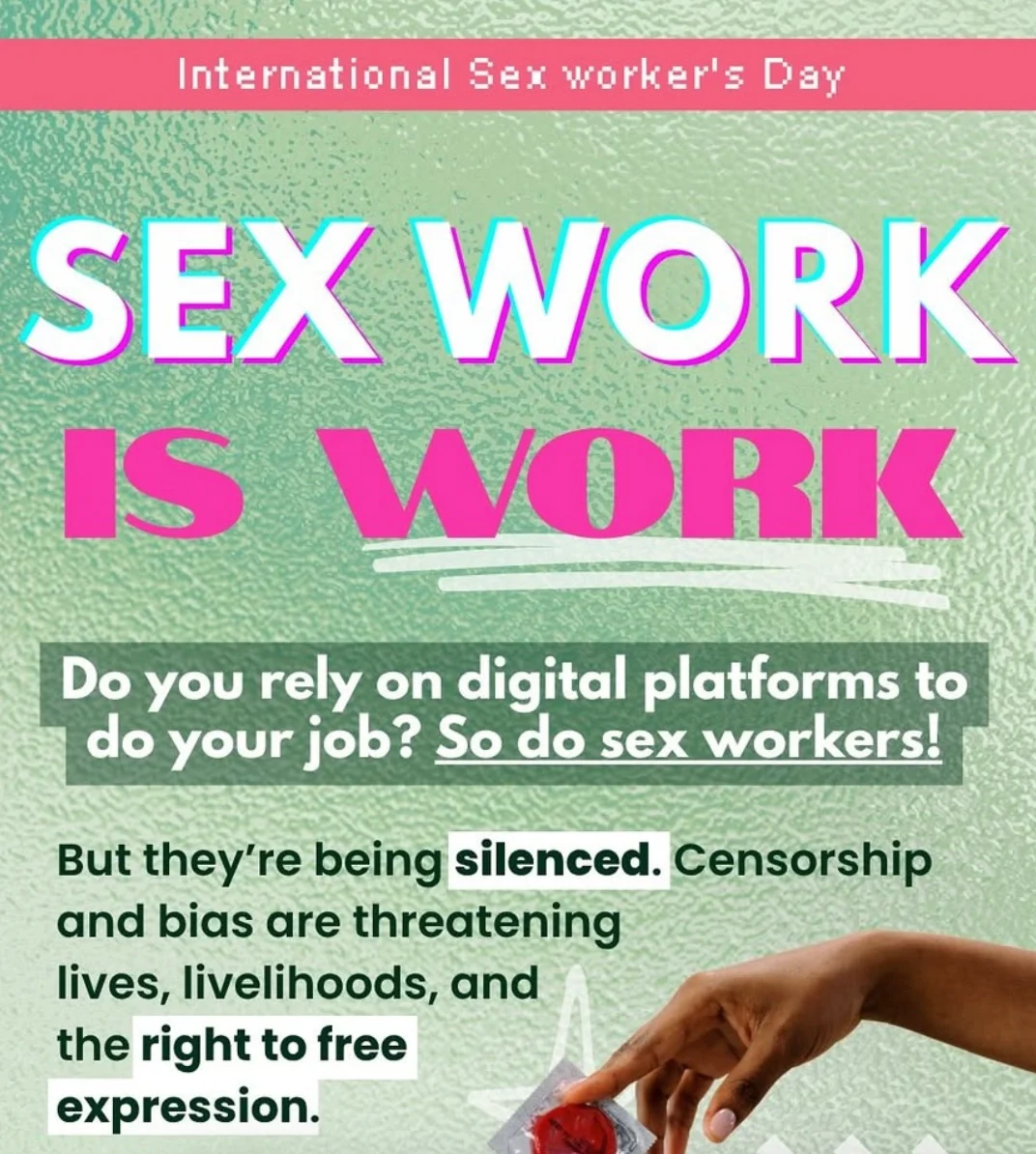
These companies position themselves as free speech extremists, often for the purpose of rushing to the defense of hateful speech, but even for them, speech around sexuality is beyond the pale.
As private entities, these platforms have every right under U.S. law to censor lawful content, and the government can’t tell them what they must publish. But why position themselves as beacons of free speech while also hypocritically limiting content of a legal sexual nature and ignoring the importance of ensuring full access to free speech and expression?
For example: GETTR calls itself a “brand new social media platform founded on the principles of free speech, independent thought and rejecting political censorship and ‘cancel culture’,” yet a look to their Terms of Service (TOS) shows that user contributions must not contain any “sexually explicit, pornographic” content. Similarly, the TOS on Frank Speech prohibit “sexually explicit or pornographic material” from being posted on the site. Social networks like Parler circumvent any wholesale prohibitions but require sexual content to be tagged as NSFW (Not Safe for Work), thus limiting user access and free engagement.
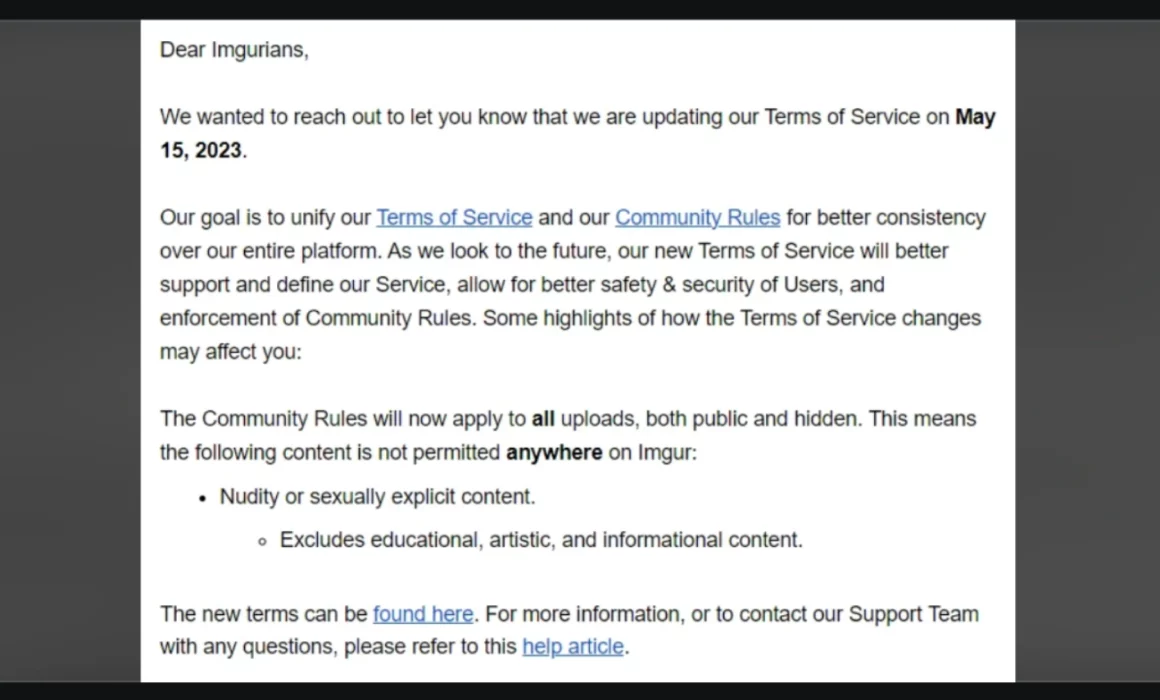
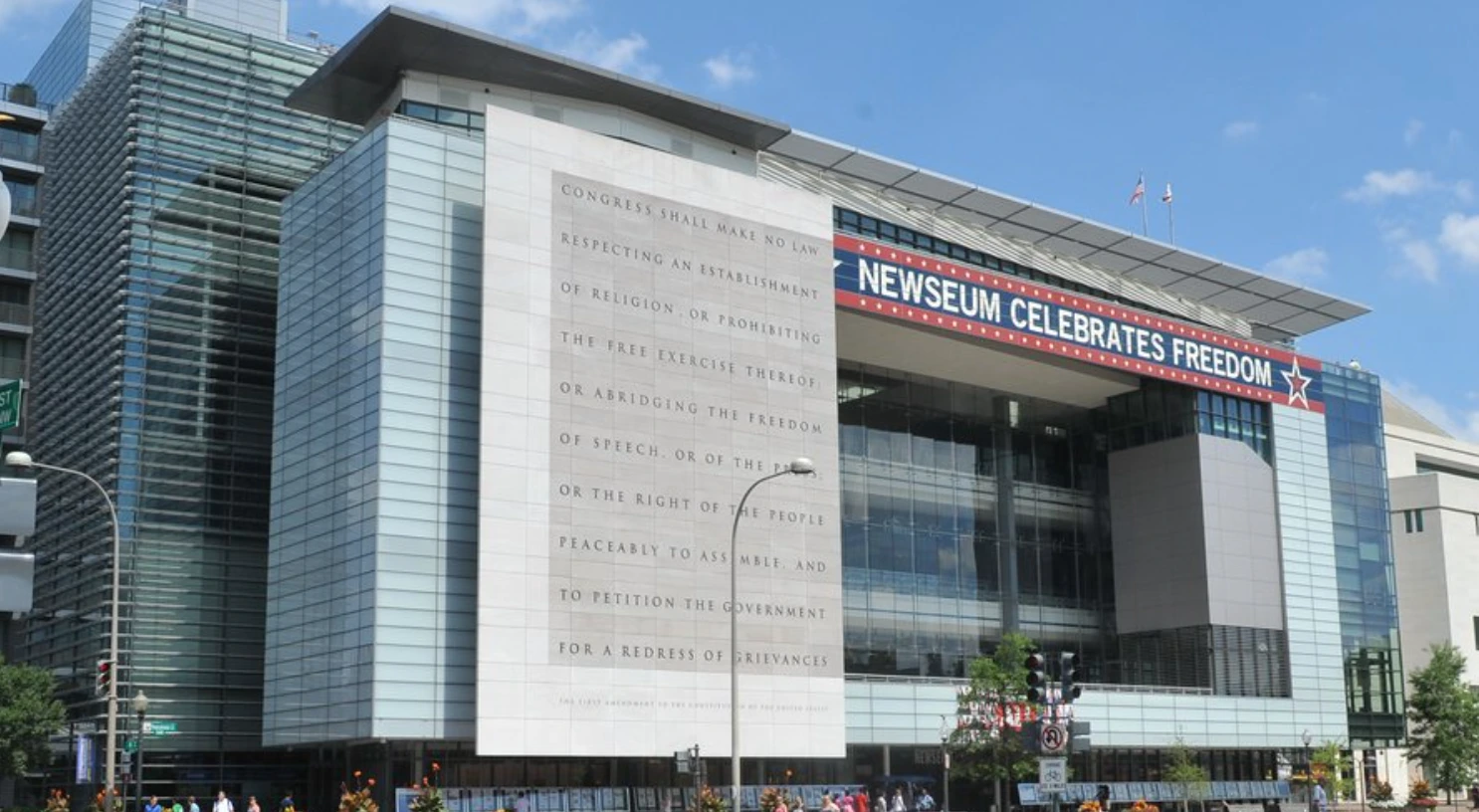
Most sexual expression, even that which may colloquially be categorized as “pornographic” or “sexually explicit,” is protected under the First Amendment of the U.S. Constitution, which is, of course, the standard held out by many platforms as underpinning their commitment to free speech. Alternative social media platform Gab is explicit in noting that any “written expression that is protected political, religious, symbolic, or commercial speech under the First Amendment of the U.S. Constitution will be allowed on the Website,” and a brief look at the principles page on social network Minds shows that its content policy “is based on the First Amendment and governed by a community jury in order to minimize bias and censorship.” Yet, both Gab and Minds exclude legal sexual content from being posted or shared. And they are not alone in doing so.
When sexual content is restricted, the response is often one of apathy, as the censored content is perceived as either marginally illegal (so it should be disregarded), undesirable (so no one should care even if it is legal), or so frequently censored that it’s not worth protesting the restrictions. But sex workers, sexual freedom activists, and artists have experienced significant censorship of their legal expressions across the web, and the hypocrisy between calling for more free speech and consequently censoring sexual content is one that is particularly noticeable on far-right sites like MeWe and Rumble, which currently hold themselves out as free speech purists. But even there, individuals from non-marginalized communities seldom see or experience the censorship of these marginalized expressions.
Has this always been the case? Well…yes. In fact, the TOS of these “free speech” platforms are often more rolled back versions of the moderation on major social platforms like Facebook and Instagram, where the de facto blanket bans on nudity affects all kinds of users, from those posting photographs of a 102-year old Little Mermaid statue, to creators posting their artwork depicting uncensored nipples. Most major platforms have been prolific in banning nudity from their sites despite sexual and nude expression having broad protection in the United States and across the globe. In some scenarios, platforms have prioritized the interests of users over external pressure, such as when OnlyFans reversed its ban on adult content after significant pushback from users. Twitter and Reddit users, too, readily engage with content of a legal sexual nature and enjoy their right to free speech.
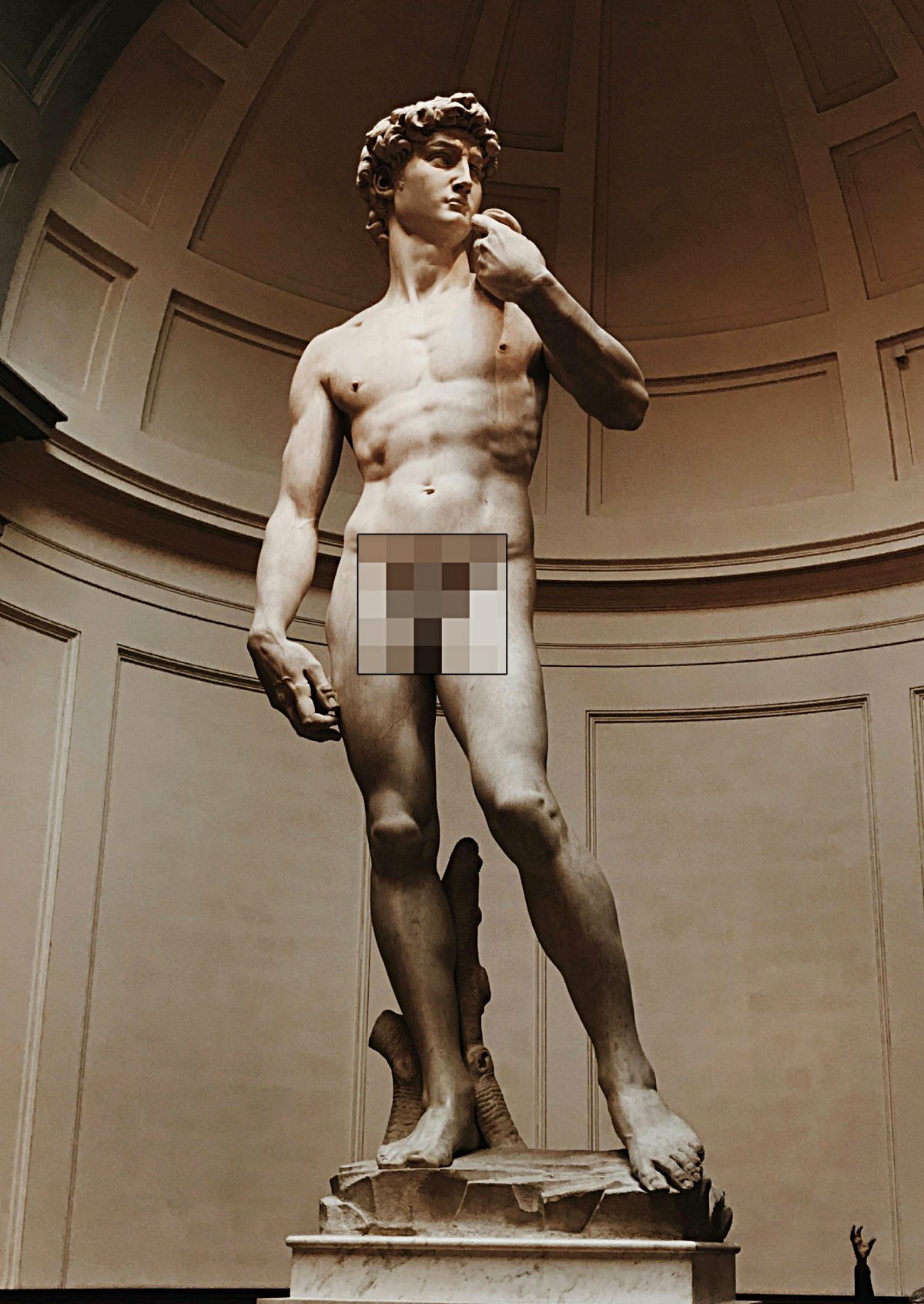
Similarly, sex worker-run sites like PEEP.me and certain Mastodon servers take risks to defend sexual speech and defend the First Amendment right to free expression. But most major platforms prohibit nude content, and self-proclaimed free speech proponents have almost unilaterally endeavored to moderate, and censor, sexual content as well.
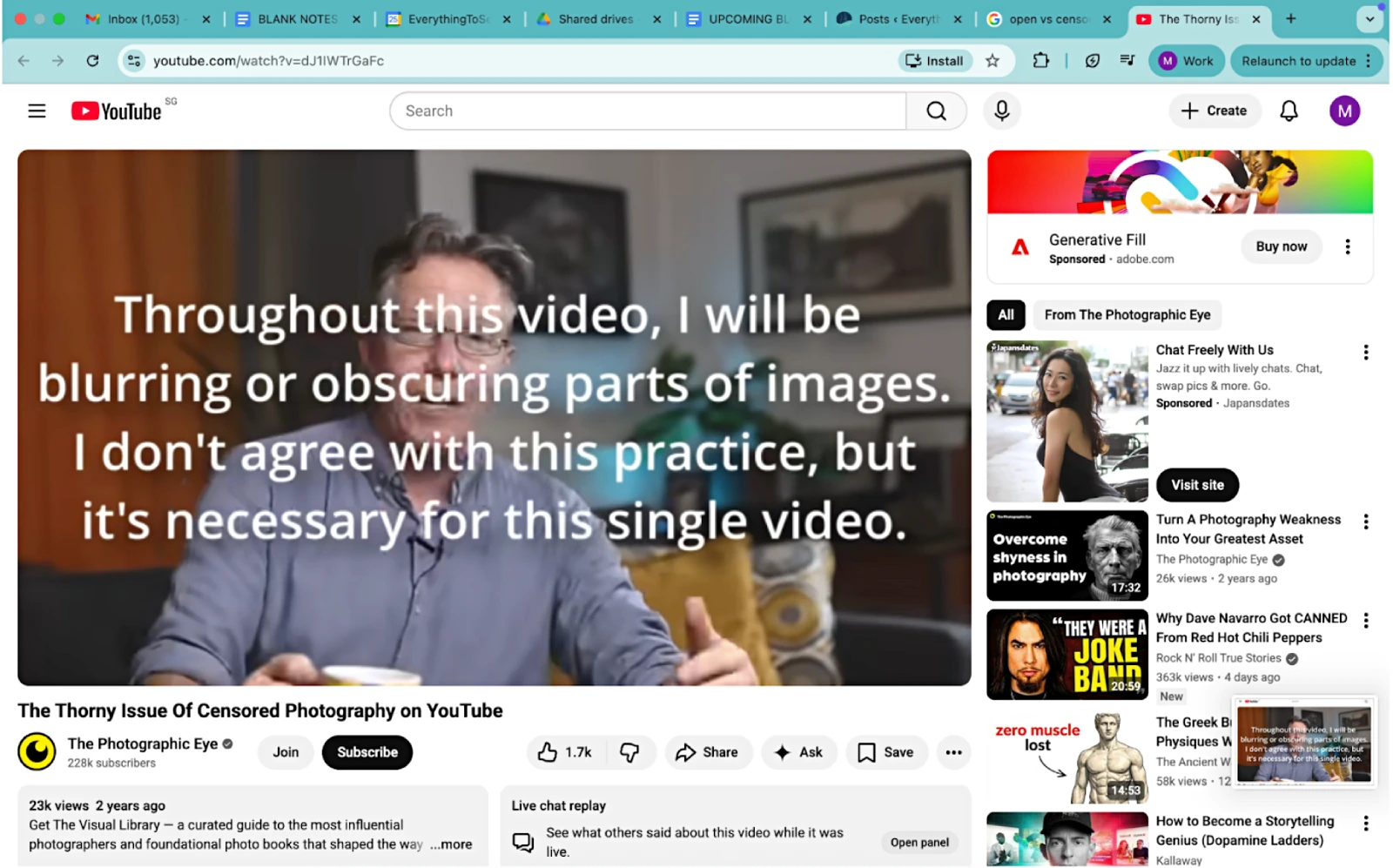
As we’ve said many, many, many times, the system of content moderation is broken—moderation policies are opaque, often arbitrary, and not applied evenly. And in censoring legal sexual content, these “free speech” platforms are not only sanitizing the digital space, but displaying a fundamental ignorance of what freedom of speech actually means.
If “free speech” has limits, it’s worth asking why the human body so often sits on the wrong side of that line. When legal, non-harmful expression is consistently restricted, it raises a bigger question about who gets to define what is acceptable in the digital public square. This isn’t just about nudity – it’s about control, culture, and whose voices are allowed to be seen. Where do you stand? We invite you to share your perspective in the comments.
What I can’t understand that another group can clearly show totally nude pics
Totally fair question, Rod. The short version is: different platforms and accounts get treated differently depending on their policies, how content is flagged, and how strictly enforcement is applied, it isn’t always consistent.
As always, ETS nails it with this so well written and documented article.
Why did the Universe created the naked bodies of all living creatures ? To be censored ?
Human, is the only species that feels shame about nudity. I’ve never seen an orangutan covering their “private parts” while roaming in the forests.
As mankind has evolved and become more “intelligent”, it has become more prudish.
Carlinho, thank you, really appreciate that. And yes… it’s wild, isn’t it? Nature got the memo that bodies are just bodies, and humans somehow decided to turn them into a problem.