
The Hidden, Deeply Unsettling Things You Can’t Unknow After Snorkeling
The ocean has a reputation for being calming, meditative, even romantic. Blue horizons. Gentle waves. A sense that everything down there is orderly and whole.
This article is not about that ocean. This is about the one you meet when you put your face in the water and actually pay attention… the ocean where bodies are built sideways, mouths and buttholes play musical chairs, sex is strategic rather than sentimental, and regeneration is treated as routine maintenance. Consider this a reminder that nature is not polite, not tidy, and not particularly interested in human ideas of “normal.” The sea, in particular, has been quietly doing whatever it wants for a very long time.
(This blog post began as a conversation between Everything To Sea co-founder Dave and Happiness Engineer Tom, about just how weird sea creatures really are.)
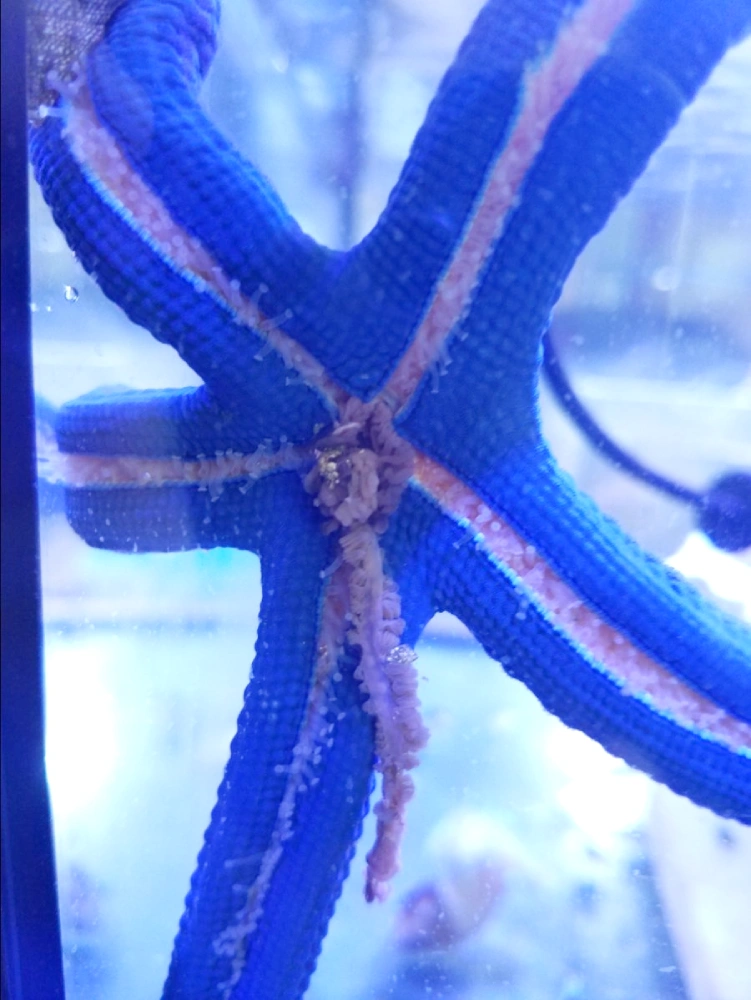
Shocking fact to begin with: Some sea stars eat by pushing their stomachs out of their bodies, digesting prey externally, and then pulling the stomach back inside – an act performed with their mouth located on the underside of their body and their anus on the top. This is not a design flaw. This is the design.
If that fact alone made you pause, grimace, or laugh in disbelief, you’re already tuned to the right frequency. Because ocean biology often feels less like careful engineering and more like a long-running experiment in extremes. Or, as one might put it: What if evolution did mushrooms and never came down?
Snorkeling in The Coral Triangle is often where this realization lands. On The Naked Komodo Sail and The Deluxe Naked Komodo Sail, people enter the water expecting color, tranquility, and postcard beauty.
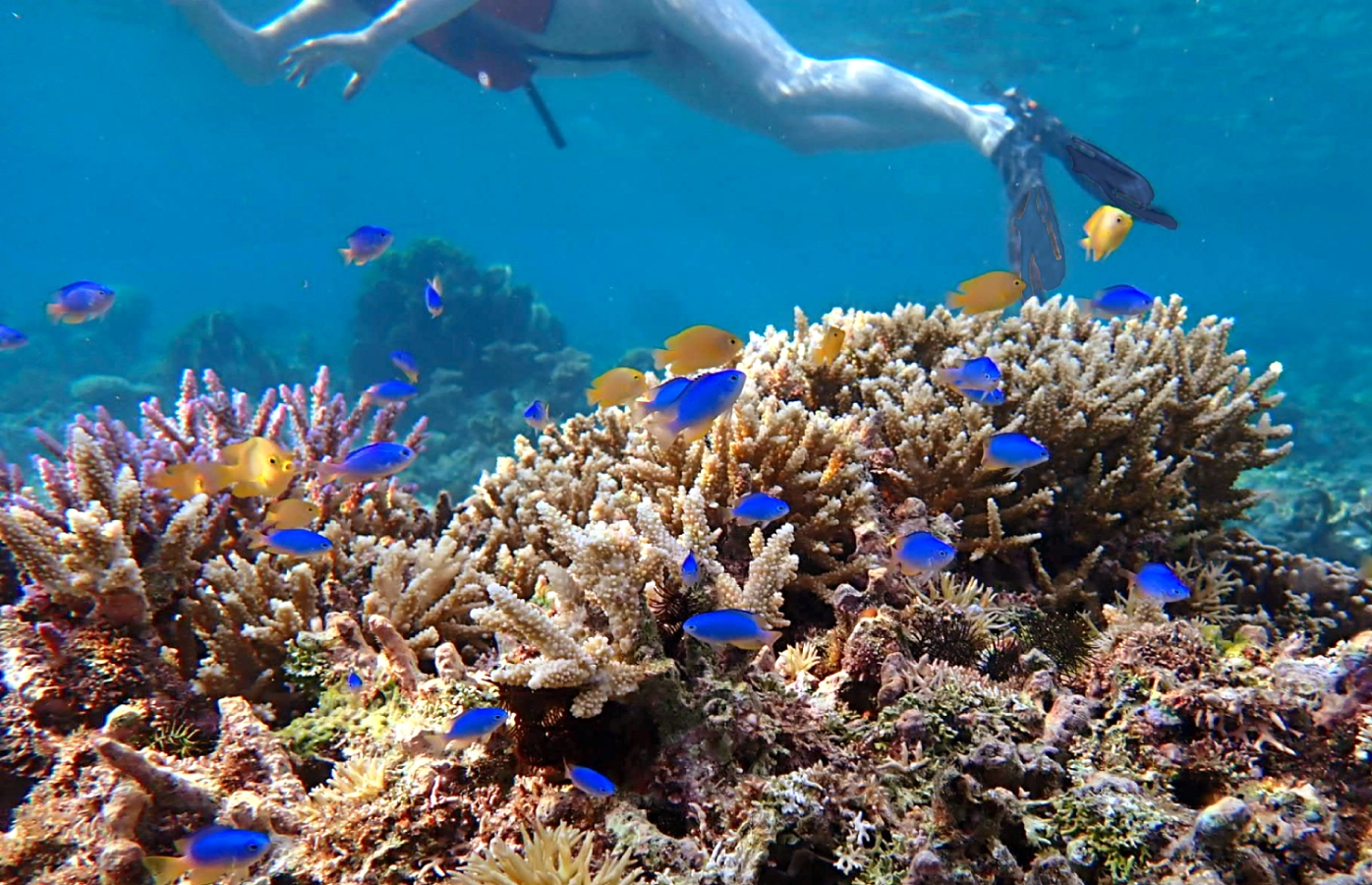
They get all of that… but they also get proximity. Floating face-down above reefs, quiet and weightless, you’re not just observing marine life. You’re hovering inches above systems that do not share your assumptions about bodies, sex, or how things are “supposed” to work.
Sea stars (sometimes mistakenly called “starfish”, even though they aren’t fish at all) are usually the first to destabilize those assumptions. They appear simple and decorative, scattered across rocks as if placed there intentionally. In reality, they have no head, no centralized brain, and no clear front or back. Their mouth is on the underside of the body, pressed directly against whatever they plan to eat, while waste exits through an opening on the top. When feeding, many species evert their stomachs – pushing them out through the mouth, digesting prey externally, and then pulling everything back inside. Some sea stars can regenerate their entire body from a single detached arm, meaning what looks like injury is sometimes reproduction in disguise. In this ecosystem, damage and multiplication are occasionally the same thing.
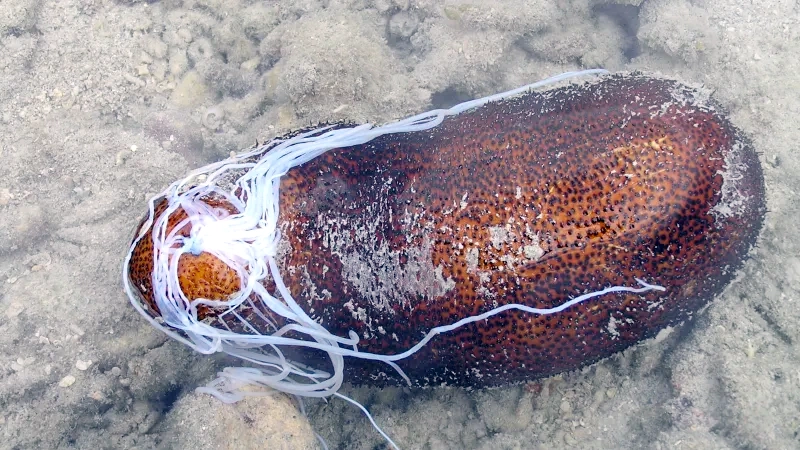
Sea cucumbers push this logic even further. Not sure what you’re doing with your butt, but these soft-bodied animals actually breathe through their assholes, pumping seawater in and out to extract oxygen. When threatened or stressed, some species eject their internal organs out of that same opening – it’s a process known as “evisceration.” The discarded organs can entangle predators or serve as a distraction, buying the animal time to escape. Later, the organs simply grow back. While snorkeling, it’s not uncommon to drift above creatures that treat self-disembowelment as a temporary inconvenience, rather than a crisis.
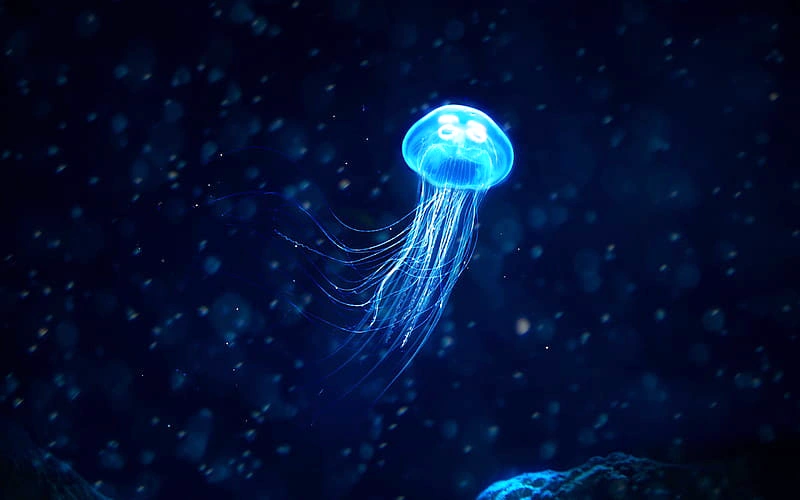
Jellyfish, meanwhile, challenge the very definition of what it means to be an animal. They have no brain, no heart, and no blood. Roughly ninety-five percent water, they operate using a decentralized nerve net rather than a central nervous system. Even more unsettling, some species are capable of reverting their life cycle – resetting themselves from a mature adult back into a juvenile state. Aging, in these cases, is not inevitable. Death, it turns out, is sometimes optional.
Dave looks at Tom: “Aging isn’t inevitable? Death is OPTIONAL?!? Tom, you’re killing me…”
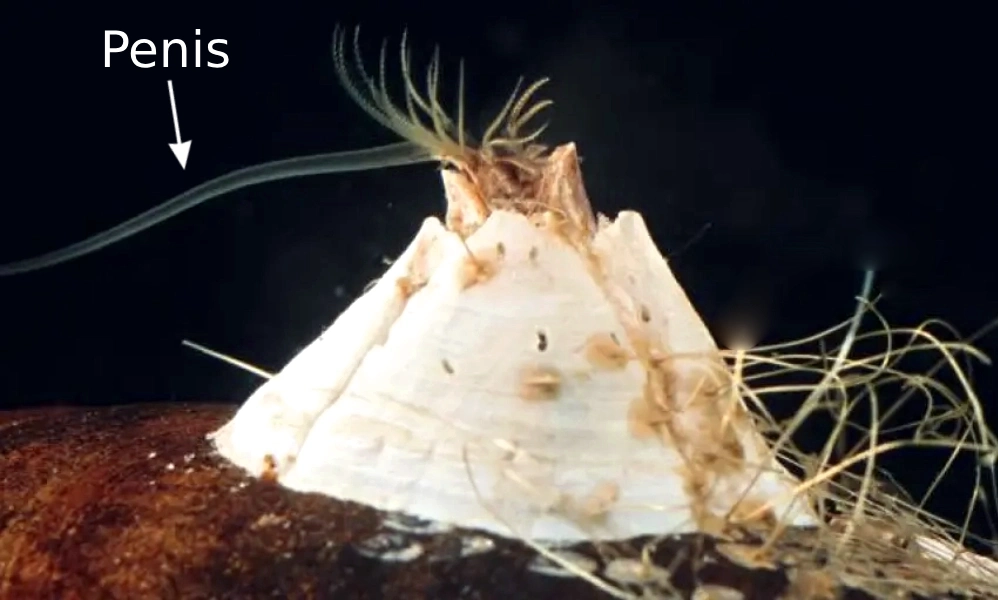
Other creatures adapt in ways that feel blunt rather than bizarre. Barnacles, for example, cement their heads permanently to rocks early in life, committing to immobility forever. Unable to move toward potential mates, they evolved an alternative solution: extraordinarily long penises, sometimes reaching eight times their body length, allowing them to reach neighboring barnacles. Nature offered a choice: adapt or perish. And barnacles adapted with enthusiasm.
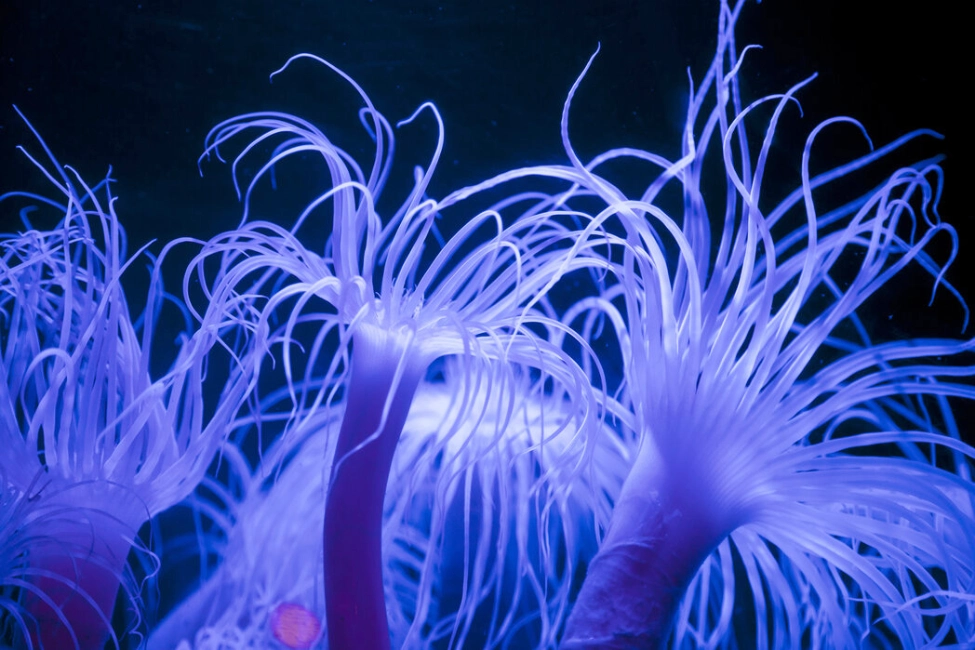
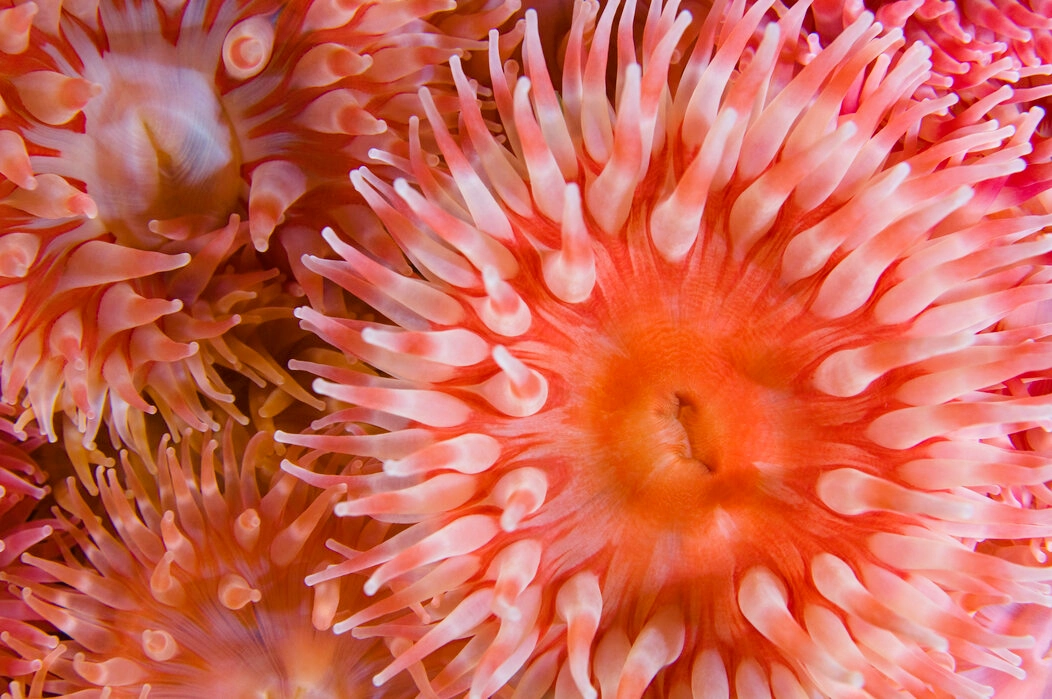
Sea anemones simplify things even further. They have a single opening that functions as both mouth and anus, handling intake and waste through the same channel. They can also reproduce asexually by tearing themselves in half, with each half regenerating into a complete organism. There is no ceremony here, no transition period – just division and continuation.
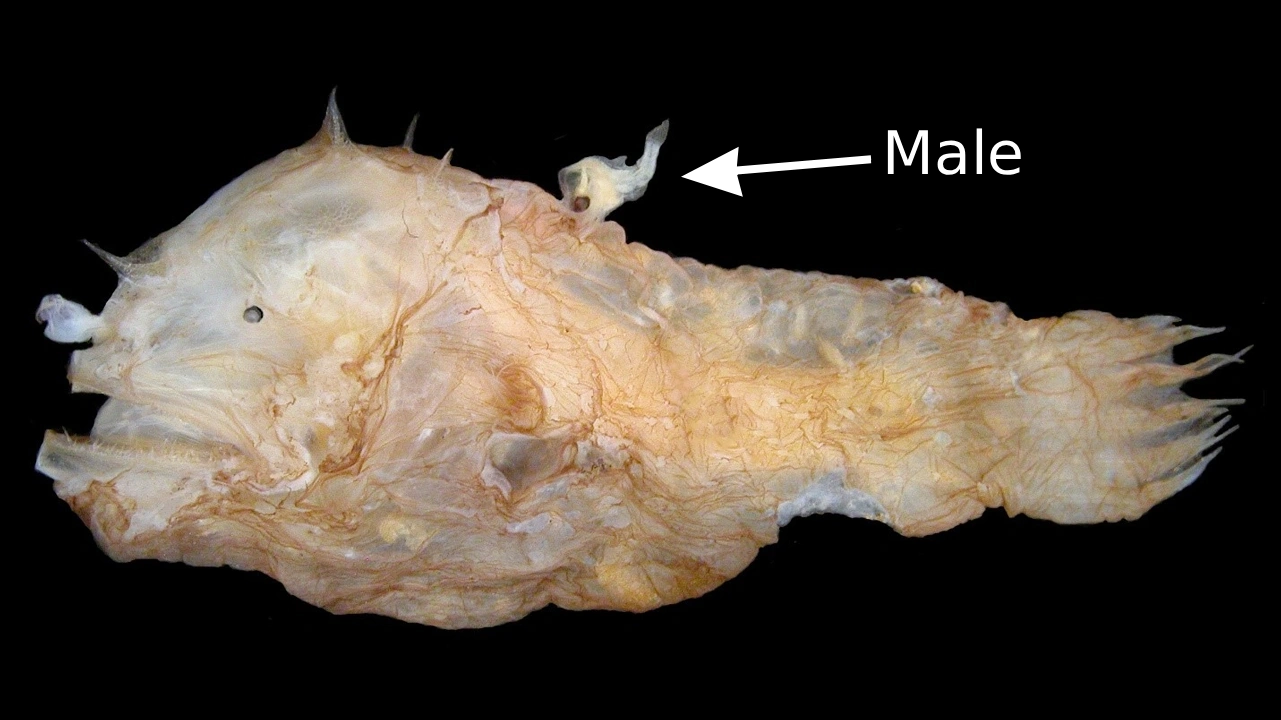
If any creature deserves the title of biological horror icon, it’s the anglerfish. In many deep-sea species, the male is dramatically smaller than the female. When he encounters her, he bites into her body and eventually fuses with her tissue. His organs dissolve, his independence disappears, and he becomes a permanent source of sperm, living out the rest of his existence as a biological attachment. Some females carry multiple fused males at once. This is not metaphorical horror. It is literal anatomy.
Sea slugs, particularly nudibranchs, offer a different kind of shock. Visually stunning and slow-moving, they appear harmless at first glance. Many are simultaneous hermaphrodites, equipped with full reproductive systems. When two meet, mating can involve what researchers refer to as penis fencing – each individual attempting to inseminate the other while avoiding being inseminated themselves. The loser becomes pregnant. The winner avoids the energetic cost. It is strategic, efficient, and entirely indifferent to romance.
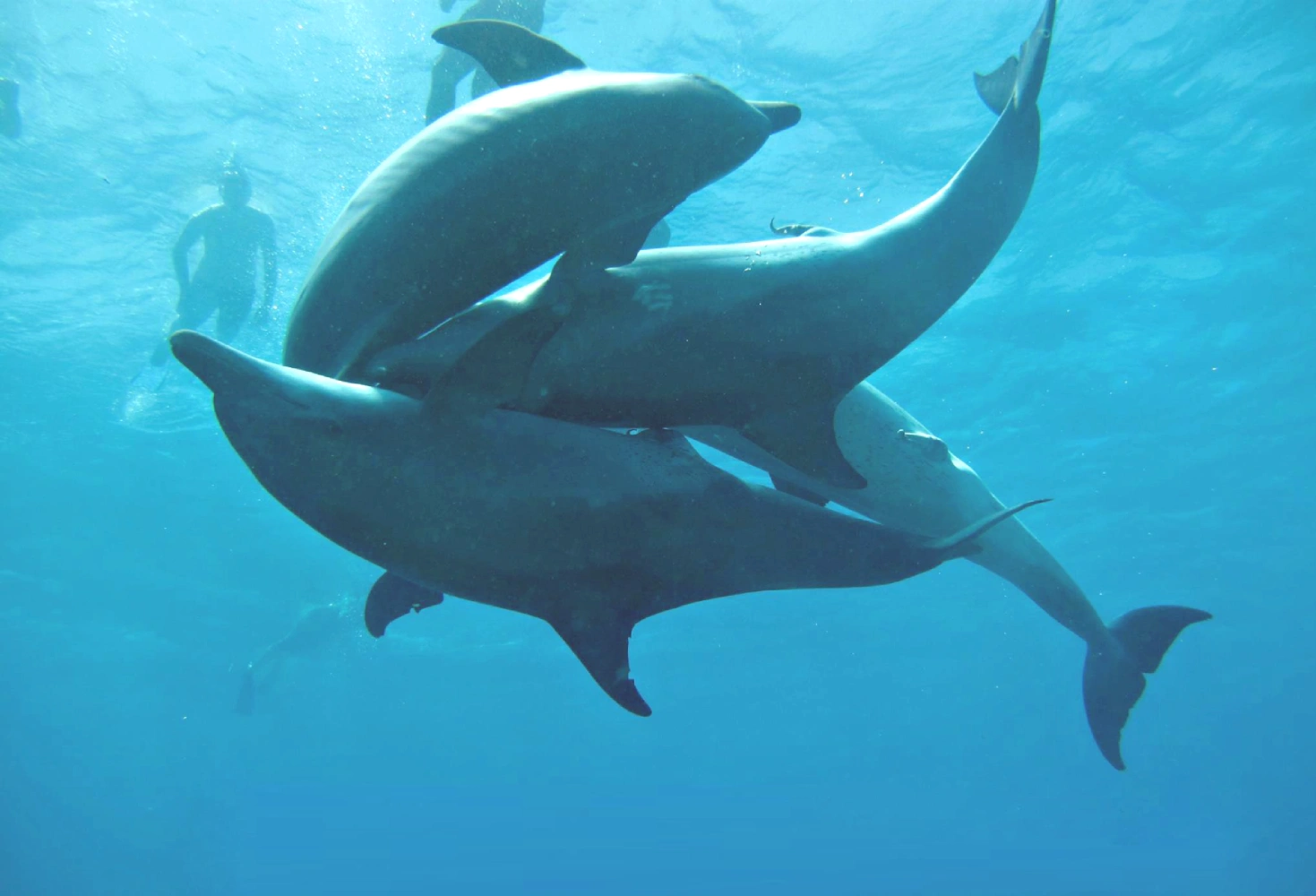
Even animals that appear familiar can unsettle once you look closer. Dolphins, famously intelligent and social, engage in sex for pleasure. They masturbate. They have same-sex encounters. And they like group sex. Male dolphins possess prehensile penises, while females have multiple clitorises. Dolphins have also been observed intentionally getting high on pufferfish toxins. Intelligence in the ocean does not lead to restraint. It leads to experimentation.
Tom looks at Dave: “I came for marine biology and somehow learned dolphins are living their best lives.”
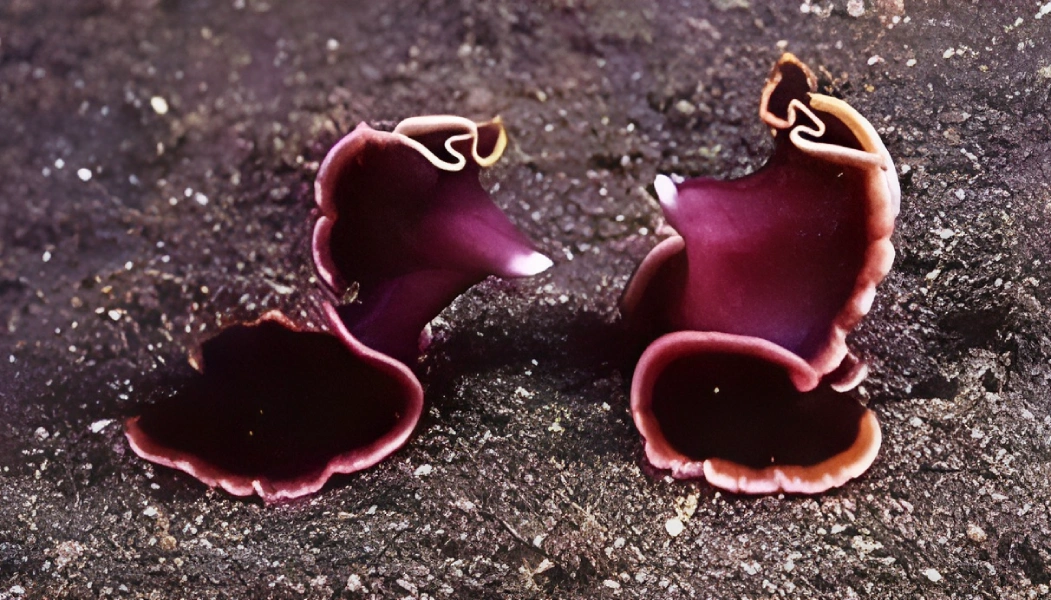
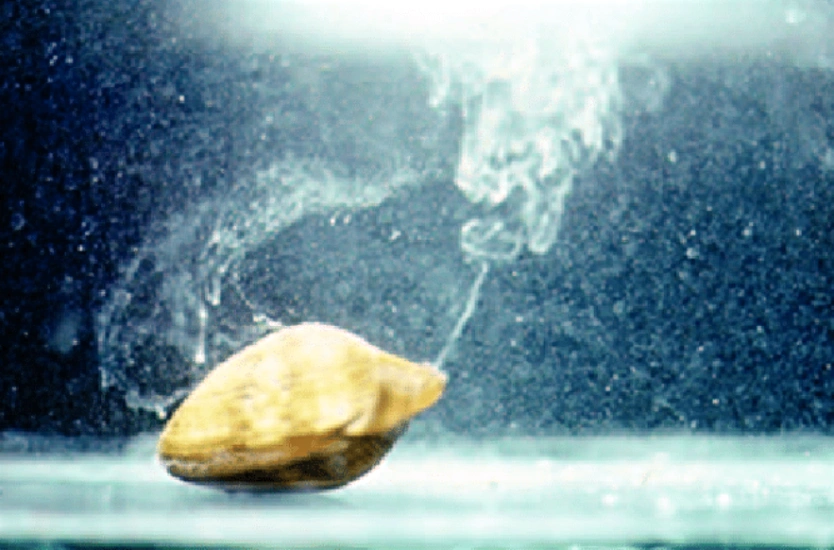
Clams and oysters quietly dismantle another human assumption: fixed gender. Many begin life as male, later become female, and in some cases switch back again depending on environmental conditions like temperature, population density, and stress. During spawning events, entire reefs release clouds of eggs and sperm simultaneously, turning the surrounding water into what can only be described as reproductive fog.
All of this is happening beneath you while you snorkel. Not symbolically. Literally.
This is why snorkeling on The Naked Komodo Sail and The Deluxe Naked Komodo Sail tends to hit differently. Removed from gravity, noise, and clothing, you’re left floating above a system that has been testing possibilities for hundreds of millions of years. The ocean doesn’t justify itself. It doesn’t explain. It doesn’t soften the edges for comfort. It simply works – efficiently, creatively, and without shame.
The takeaway’s unavoidable: The sea is non-binary, hyper-sexual, regenerative, and utterly unconcerned with human norms. It is calm not because it is gentle, but because it is confident. And once you really see that – once you understand even a fraction of what’s happening below the surface – you don’t come back unchanged.
If this made you laugh, recoil, feel impressed, or quietly question the design choices behind your own anatomy, we’d love to hear it. Leave a comment below with the fact that broke you, surprised you, or made you rethink what “natural” actually means. The ocean can handle it. And honestly, so can you.
Informations très intéressantes sur un monde sous-marin que je ne connais pas, à mon grand regret.
Bonjour chatellier, glad you enjoyed it. The underwater world is endlessly weird and wonderful… and snorkeling is a pretty great excuse to finally meet it up close.
Loved the biology lesson and how wildly varied this planet’s creatures do their thing.
Love that – the ocean really is the ultimate “no two bodies are the same” lesson. Glad you enjoyed the ride.
The best part for me was the floating naked above a completely foreign vista that really doesn’t care if I’m there or not. We humans are pretty egocentric and learning our place, well, that is a doorway worth stepping through.
This is such a beautiful way to put it. That “floating over something that doesn’t care” feeling is humbling in the best possible way.
Wow! Did not know any of this. Thanks. Good read.
Andrew – thank you for reading. Snorkeling really does have a way of turning “beautiful” into “wait… what?” in about five minutes 😄
I love this informative blog. Mahalo for sharing
Jerry Ferguson
Mahalo, Jerry! Really glad you enjoyed it – the ocean is full of absolute plot twists.
This is quite a thorough lesson about creatures in the ocean. Very interesting.
Thanks Gerald – ocean biology is basically a masterclass in “nature does not do normal.”
A really good blog and me back again.
Welcome back – appreciate you reading again, and glad this one hit.
Such important 🎯 message shared
Thank you – we’re happy it landed. Nature doesn’t need a filter, does it?
This is pure gold